Real estate group Lendlease, sustainable consultancy firm Arup and Schneider Electric have detailed innovative strategies to add commercial Real Estate Value (CRE) in a new white paper titled, “Get more from your core investments: How faster fit-outs can drive higher returns for commercial properties.” The paper shows how office building owners and managers can save money and cut carbon emissions while adapting to modern, flexible work patterns, by balancing flexible occupancy opportunities with addressing sustainability challenges.
As key players in the CRE market, Lendlease, Arup, and Schneider Electric combine their expertise to propose practical solutions for the industry’s evolving demands. The study focuses on leveraging technological advancements to create adaptable building services that reduce waste and improve environmental performance.
“As a recent McKinsey report points out, buildings account for almost 40% of global carbon emissions,” notes Estelle Monod, Global Buildings President at Schneider Electric. “This reality requires immediate action, especially as CRE companies navigate stringent environmental regulations, shifting tenant and investor expectations and a volatile market landscape. We recognise these pressures and are committed to offering solutions that facilitate this transition.”
Andy Hodgson, Global Advisory Services Leader at Arup, comments, “Trying to cut carbon while also tackling fluctuating office occupancy with post-COVID work patterns is a major challenge for the commercial office real estate market. But with a new approach to building construction, a flexible design can bring financial benefits alongside unlocking shorter and more flexible leasing arrangements.”
Traditional building design and construction methods often struggle to address sustainability and carbon accounting. In response, Schneider Electric, Lendlease, and Arup collaborated on a practical guide that illustrates how an adaptable approach can help strike a balance between flexible occupancy and reduced carbon emissions with a solution that enhances building adaptability and reduces material waste.
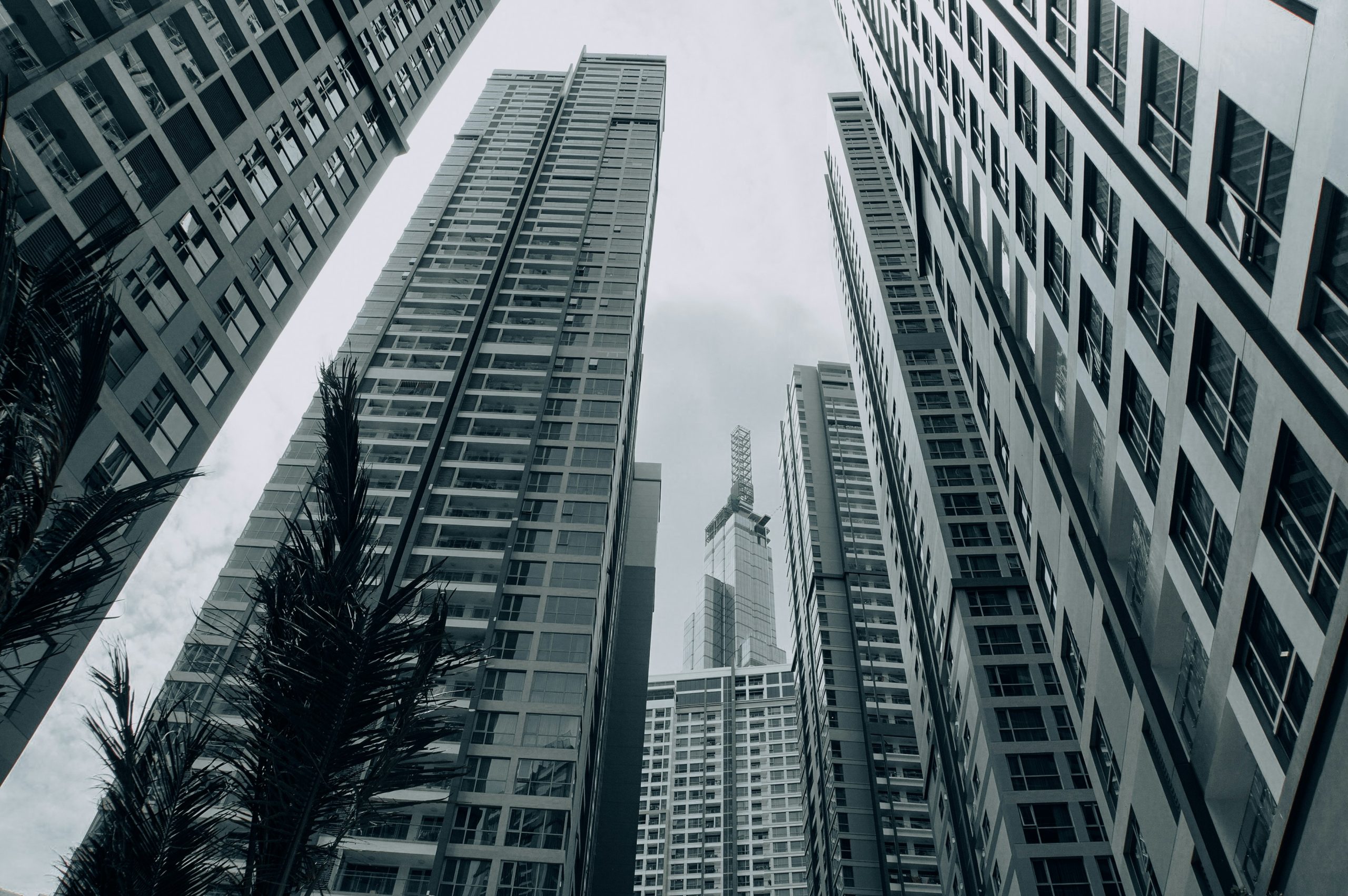
The white paper introduces a new method for designing and implementing integrated building services within commercial office space. This method was applied to one floor within a major office tower building in Sydney, Australia, and demonstrated tangible benefits. Modeled scenarios for a single building show the potential to generate significant lifecycle cost reductions, additional revenues, and savings of more than 1,500 tons of carbon dioxide over 30 years.
Andy Hodgson, Global Advisory Leader at Arup, highlighted the financial advantages: “Reducing costs (which can lead to higher rental value) and shorter vacancy periods were key considerations in the model. Interestingly, the current model doesn’t account for energy savings, yet the solution inherently provides this additional benefit.”
For landlords, the benefits extend beyond financial gains. Advanced apps and automation offer improved space utilization and increased tenant comfort. Tenants also gain insights into space usage and can adapt their environment for maximum efficiency and comfort.
Download the complete white paper here to explore the project’s full findings and implications.