ELIRE Infra, a clean infrastructure provider and part of the ELIRE Group, together with its consortium partners, has secured £1 million in funding under the Clean Maritime Demonstration Competition (CMDC) Round 6. This is part of the Department for Transport’s UK Shipping Office for Reducing Emissions (UK SHORE) programme, and it is delivered by Innovate UK (part of UK Research and Innovation).
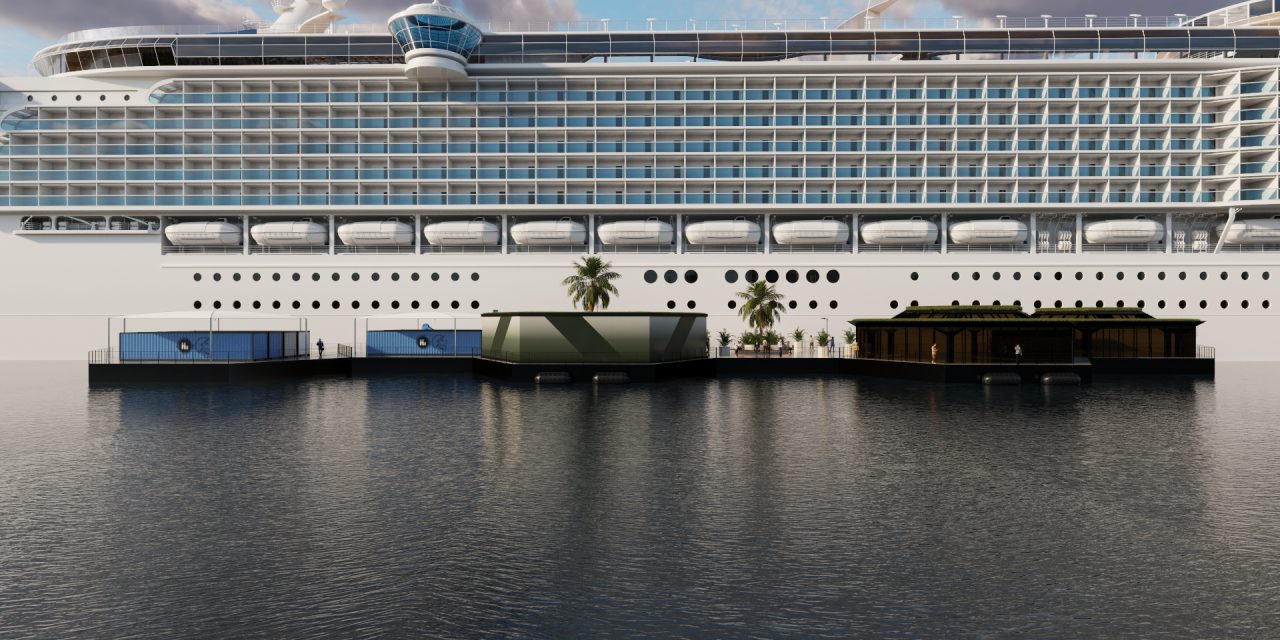
The funding will support a detailed feasibility programme into the development of Hydrogen Floating Power Hubs, innovative, off-grid, hydrogen-powered floating micro-grids designed to cut emissions from port operations and accelerate the UK’s transition to net zero.
Led by ELIRE Infra, the “Hydrogen Floating Power Hub Feasibility Programme” will run from 13 September 2025 to 31 March 2026, evaluating the technical and commercial viability of deploying floating hydrogen power infrastructures to replace or supplement fossil-fuel-based port energy systems. Subject to a positive investment decision, the project could lead to the launch of the UK’s first fully operational Hydrogen Power Hub by 2028, marking a milestone for maritime decarbonisation and hydrogen innovation.
Over the next decade, the project aims to deliver scalable solutions capable of cutting 500,000 tonnes of CO₂ emissions globally, while improving local air quality and resilience of port energy systems.
The award is part of the Clean Maritime Demonstration Competition Round 6, which is investing up to £30 million in pre-deployment trials and feasibility studies to support clean maritime technologies. CMDC6 is a core component of the UK SHORE programme, which aims to establish the UK as a global leader in the design and manufacturing of clean maritime solutions.
The “Hydrogen Floating Powerhub – Feasibility Program” will be delivered by a consortium led by ELIRE Infra, involving:
Offshore Renewable Energy Catapult – leading business case development, compression and storage innovation.
Ricardo UK – advancing the hydrogen balance of plant and power conversion systems.
Rux Energy UK – pioneering nanoporous hydrogen storage modules.
Schneider Electric – delivering advanced electrical and automation system designs.
Triton Anchor Europe – providing innovative mooring technologies.
University of Strathclyde – contributing expertise in naval architecture, structural testing, and DC microgrid systems.
Sealand Projects – responsible for transport, installation and maintenance strategies.
Together, the consortium will address the technical, regulatory, and commercial barriers to deployment, with each partner leading defined Work Packages across project management, structural design, hydrogen storage, electrical systems, platform integration, installation, and commissioning.
The feasibility study will assess a zero-emission, grid-independent shore power solution for maritime applications; the Hydrogen Floating Power Hub, a floating, self-contained, modular microgrid platform that will provide scalable shore power connectivity to large ocean-going vessels and smaller riverine e-vessels.