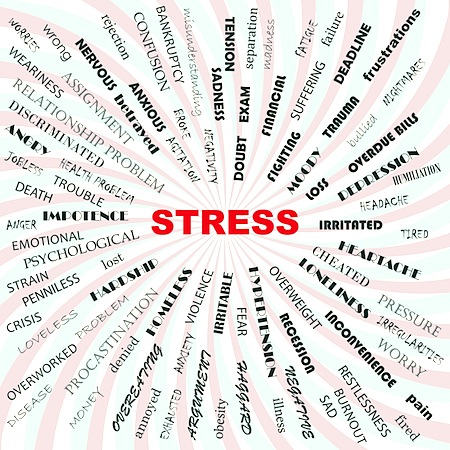
STRESS – It can be a very significant factor in a tradesperson’s health, safety, employment experience and earnings capability. SiteWays
The annual survey by the Electrical Contractor Insurance Services (ECIS) has revealed that electricians are suffering from less work stress and fatigue compared with last year, though business pressures are also on the rise, which could be leading to the stress related conditions reported overall. By James Hunt:
The results of this year’s annual health check survey by ECIS, the employee benefits company for the construction industry, are in. In the first quarter of 2015, ECIS questioned 200 tradespeople across all trades – electricians, plumbers, heating & ventilation engineers, roofers, joiners, plasterers, decorators and general builders from all parts of the UK – about their health, wellbeing and prospects for the coming year.
While it seems that confidence is at a high – with 43% very happy about their prospects for 2015 – rising business pressures are also on the up which could be leading to the stress related conditions reported by 23% of all respondents.
Despite this, in the last year’s survey (which was the first), 36% of electrical contractors said they felt that pressure had increased over the past year, while in the 2015 survey, this figure had dropped to 29%. And while in 2014 worrying levels of stress and fatigue were reported by 39% of the electricians surveyed, the figure has fallen to 19% in this year’s survey. In addition, fewer than 10% took more than two weeks off because of accident or illness in 2014, compared with 22% in 2013.
Furthermore, the outlook for electricians from a business perspective is also looking positive, and almost all of them questioned (94%) would encourage a young person to join the industry. Moreover, the study finds, working hours have reduced slightly for electricians, which might explain some of the reduced stress reported. Fewer than half (48%) are now working more than 40 hours a week (compared with 56% last year) and, importantly, none of those questioned worked more than 70 hours a week.
A very significant factor
The Institution of Occupational Safety and Health (IOSH – www.iosh.co.uk), which is believed to be the only chartered body for health and safety professionals in the world, defines work-related stress is the harmful physical or psychological reaction that occurs when people are subject to excessive work demands or expectations.
The organisation says that stress affects different people in different ways, and that everyone has a different method of dealing with it. The chemicals that are released by the human body as a result of stress can build up over time and cause various mental and physical symptoms – some highly debilitating. So workplace stress can be a very significant factor in a tradesperson’s health, safety, employment experience and earnings capability.
Confidence up but high stress overall
Taking the ECIS survey’s respondents overall, confidence has shoot up but almost a quarter of tradespeople are suffering stress related health conditions, which is a high proportion. Only 10%, however, have taken longer than two weeks off work through ill health or accidents. But those who did take time off for illness found that it had greater significance on their work in the past year – with nearly half (47%) saying that ill health had affected their income significantly, a significant increase from 29% in 2013.
Of the individual trades, heating and ventilation engineers felt the most impact on their income, with 100% of those reporting ill health for more than two weeks finding it had a significant adverse effect on their incomes.
The worst affected by stress in the survey were painters and decorators, a third of whom suffered from stress and fatigue, who also had high occurrences of high blood pressure and insomnia. Yet strangely, painters and decorators were also the healthiest surveyed, with none reporting more than a fortnight off work with illness (although they do feel afflicted by short term illnesses) compared with 15% of general builders and 12% of electricians.
Overall, the study shows, only 10% of tradespeople have been ill for more than two weeks, but 47% of those who have, found that ill health has adversely affected their work. Worryingly, those that were self-employed were twice as likely to be affected as those in employment. The study also finds that 26% of electricians and 19% of plumbers could not work because of musculoskeletal problems.
Still a concern
Commented Sales and Marketing Director for ECIS, Phil Scarrett: “We know that 2014 was a very busy year for the construction industry, with an upturn in work and certain trades being subsequently affected by skills shortages.
“While generally stress appears to be down, it is a concern that almost a quarter of workers are reporting debilitating conditions such as insomnia and depression.
“It is vital”, he said, “that as work continues to ramp up, tradespeople look after both body and mind – this is a particularly important message for the self-employed tradespeople who have perhaps been through some lean periods over the last few years and are now looking to capitalise on increased consumer and business confidence.
“We would always advise taking out a good health insurance policy and having regular health checks. ECIS provides health insurance cover and health assessments specifically for those working in the construction sector at rates that have been specially negotiated. Health assessments can certainly help ensure any emerging health issues can be tackled at an early stage,” concluded Phil Scarrett.
For more information, go to: www.ecins.co.uk and for further information on industrial health issues generally, go to: www.hse.gov.uk/waste/health.htm
Note that the NICEIC also provides insurance services for electrical contractors and installers. Go to: www.niceicinsurance.com